
F1 Returns to Malaysia After 9 Years — Why Sepang Deserves a Spot on Your Bucket List
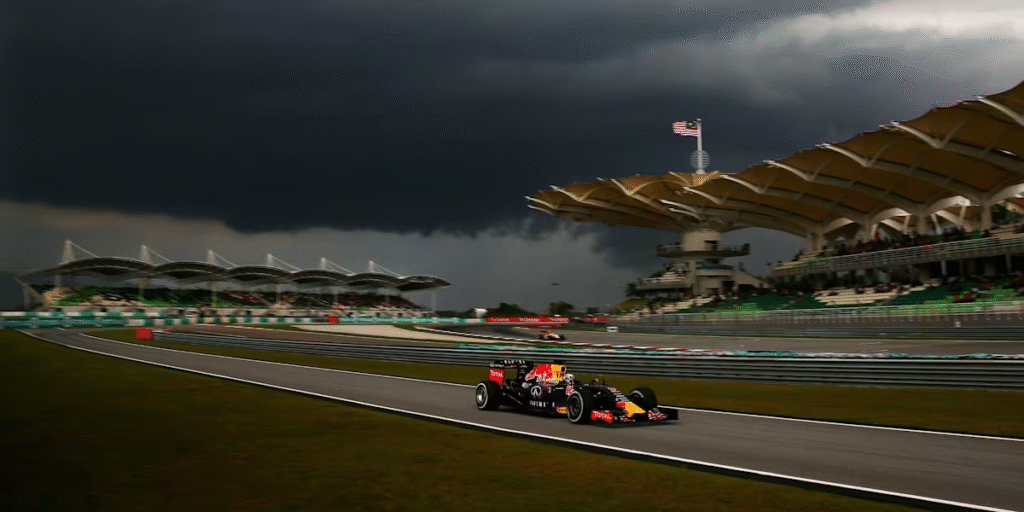
There’s a very specific sound that Malaysian F1 fans haven’t heard in nine years — the scream of a Formula 1 engine echoing off the jungle that surrounds the Sepang International Circuit. That silence is about to break.
From October 2–4, 2026, Formula 1 returns to Sepang for the first time since 2017, and for anyone who grew up watching the sport, this is one of the most emotional comebacks on the entire 2026 calendar.
If you’ve been holding out for a reason to finally watch a Grand Prix live, this is it.
Wait — Is This the Malaysian Grand Prix Again?
Not quite, and this is the part that trips a lot of people up. The race will officially carry the name Formula 1 Gulf Air Bahrain Grand Prix in Malaysia. Here’s what actually happened: Bahrain’s original spring race was cancelled due to regional instability in the Middle East, and rather than lose a race off the 2026 calendar entirely, Formula 1, the FIA, and the governments of Bahrain and Malaysia struck a deal to relocate it — race weekend, title sponsorship and all — to Sepang.
So no, it isn’t a revived Malaysian GP in name. But make no mistake: this is Formula 1 racing on Malaysian soil, at a circuit every F1 fan already knows by heart, and that’s more than enough reason to be excited.
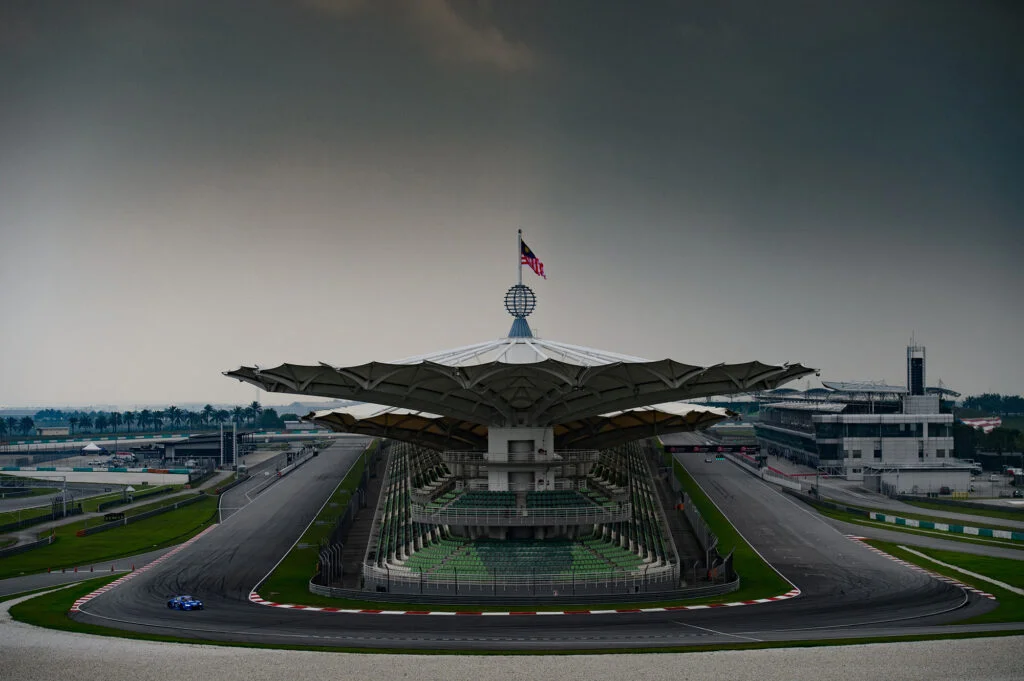
The Details You Need to Know
- Dates: October 2–4, 2026 (race day is Sunday, October 4, with lights out at 3:00 PM local time)
- Venue: Sepang International Circuit, Selangor — just minutes from Kuala Lumpur International Airport
- Calendar Slot: Round 16 of the 2026 season, sitting inside a brutal triple-header between the Azerbaijan GP in Baku and the Singapore GP
- Format: A standard Sunday race weekend, though official ticketing categories and support races are still being finalised
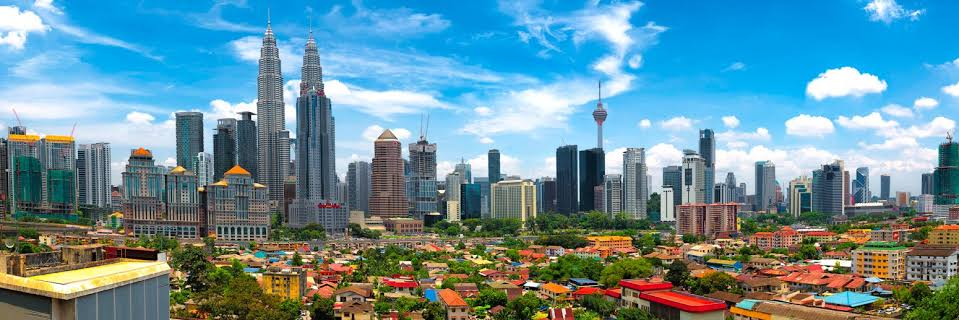
That triple-header slot is actually great news if you’re planning a trip from India — Sepang lands almost exactly between Baku and Singapore, which means fans flying in for one Asian leg race could realistically extend their trip to catch two.
Why Sepang Leaving F1 Was Such a Big Deal in the First Place
To understand why this comeback matters, you have to understand what Malaysia lost in 2017.
Sepang made its F1 debut in 1999 and went on to host 19 consecutive Grands Prix, making it the sport’s first purpose-built circuit in Southeast Asia and the venue that effectively opened the door for F1’s entire Asian expansion — Singapore, China, and Japan’s continued place on the calendar all owe something to Sepang proving the region could host world-class racing. The Malaysian GP was eventually dropped from the calendar not because fans stopped caring, but because rising hosting costs made it commercially difficult to justify, even as the racing itself stayed some of the best on the calendar.
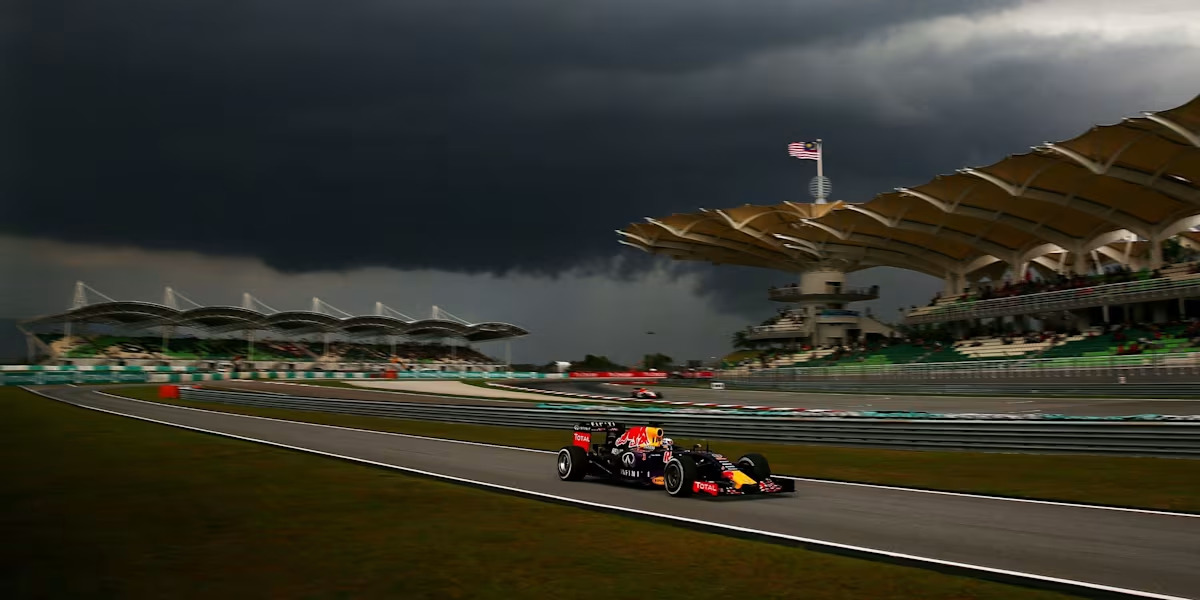
And the racing really was special. Sepang built its reputation on being one of the most physically demanding circuits F1 visited — brutal humidity, a wide, flowing layout that rewarded bold overtakes, and weather that could turn a Grand Prix on its head in minutes. Malaysia’s tropical afternoon storms became almost a character in their own right:
- In 2009, a sudden monsoon flooded parts of the track mid-race, forcing officials to red-flag the Grand Prix entirely — only the second time in two decades that a race ended in half-points.
- In 2012, Fernando Alonso produced one of the most celebrated wet-weather drives of his career, starting ninth on the grid in a Ferrari that had no business winning, and coming out on top in torrential rain.
- In 2013, Sepang played host to one of the most infamous team-orders controversies in F1 history, when Sebastian Vettel ignored instructions to hold position and passed teammate Mark Webber for the win — a moment still remembered simply as “Multi 21.”
Add in the fact that legends from Schumacher and Alonso to Hamilton, Vettel, and Verstappen all raced at Sepang across its 19-year run, and you start to see why this circuit is remembered so fondly by drivers and fans alike, and why its return has generated so much excitement across the paddock.
Why Sepang Was the Obvious Choice to Step In
When Formula 1 needed a replacement venue at short notice, Sepang wasn’t a backup option — it was arguably the only realistic one in the region.
- It never stopped being race-ready. Sepang has held onto its top-tier FIA grading and continued hosting major international motorsport, including MotoGP, throughout its years away from F1. The infrastructure, pit facilities, and safety standards were already there.
- The location does the logistics for you. Sitting a short drive from Kuala Lumpur International Airport, and only a few hours’ flight from Singapore, Sepang made it possible for F1’s enormous freight and personnel operation to make a fast turnaround within the same Asian swing of the calendar — a genuinely difficult ask anywhere else in the region.
- The demand never really left. Long after the race disappeared from the calendar, Sepang stayed one of the most requested comeback venues among fans and drivers, which made this return feel less like a experiment and more like unfinished business.
Why This Race Is Going to Be Massive
A few things are stacking up to make this one of the standout weekends of the 2026 season:
It’s nostalgia with genuinely new stakes. This isn’t a heritage exhibition — it’s a full championship-point race slotted into the thick of a title fight, at a circuit that hasn’t had to adapt to F1’s newest generation of cars.
2026 cars, meet an old favourite. The 2026 season introduces a new generation of Formula 1 cars running on advanced sustainable fuels, and Sepang’s fast, flowing layout is expected to be a genuine test of how these new machines behave under load — something teams and fans alike haven’t seen before at this track.
It’s a once-in-a-generation window. There’s no confirmation yet on whether Malaysia will return to the calendar permanently after 2026. Nothing is guaranteed. Which means this could be a one-off — and if it is, you’ll want to have been there rather than watched it happen from your living room.
The region is watching. With Southeast Asia’s F1 fanbase having grown massively since 2017 — thanks in large part to Drive to Survive — this Sepang weekend is expected to draw fans from across Malaysia, Singapore, and increasingly, India.
What This Means If You’re Watching From India
For Indian F1 fans, this is about as convenient as a live Grand Prix gets. Kuala Lumpur is a direct flight of roughly four to five hours from most major Indian cities, there’s no punishing time-zone jump to deal with, and the race sits right in that Baku–Sepang–Singapore stretch — meaning a single trip could realistically cover two Grands Prix if you plan it right.
It’s also, quite simply, a rare event. Most fans reading this have never had the chance to watch a race at Sepang. The 19-year run ended in 2017, before Drive to Survive brought a whole new generation of Indian fans into the sport. This is the first real chance many of us will get.
Ready to Be There When the Engines Come Back?
Nine years is a long wait. October 2026 is the moment it ends — and there’s a real chance it doesn’t happen again for a long time after that.
At GT Experiences, we’re building an all-inclusive Sepang package that takes the stress out of being there: race tickets, flights, accommodation, and visa support, all sorted, so all you have to do is show up and watch history return to Malaysia.
Get Notified When Sepang Packages Open
Talk to Our Team About Planning Your Trip
F1 for Absolute Beginners: A No-Jargon Guide to Falling in Love with the Sport
If you’ve ever tried to get into Formula 1 by watching a race cold, you already know the problem. Someone says “the undercut worked” or “he’s box box box,” half the group groans about a Safety Car, and you’re left nodding along, quietly Googling what any of it means.
Here’s the good news: F1 is actually one of the easiest sports to fall in love with once someone explains it properly.
You don’t need to understand aerodynamics. You don’t need to know engine specs. You just need the basics — and then the drama, the rivalries, and the sheer tension of it will do the rest.
This is that explainer. No jargon, no assumed knowledge, just what you actually need to enjoy your first race.
What Even Is a Grand Prix Weekend?
A “Grand Prix” is the name for an entire race weekend, not just the race itself. Most weekends follow the same rhythm:
- Friday – Practice. Teams test setups and drivers get a feel for the track. Low stakes, mostly for engineers.
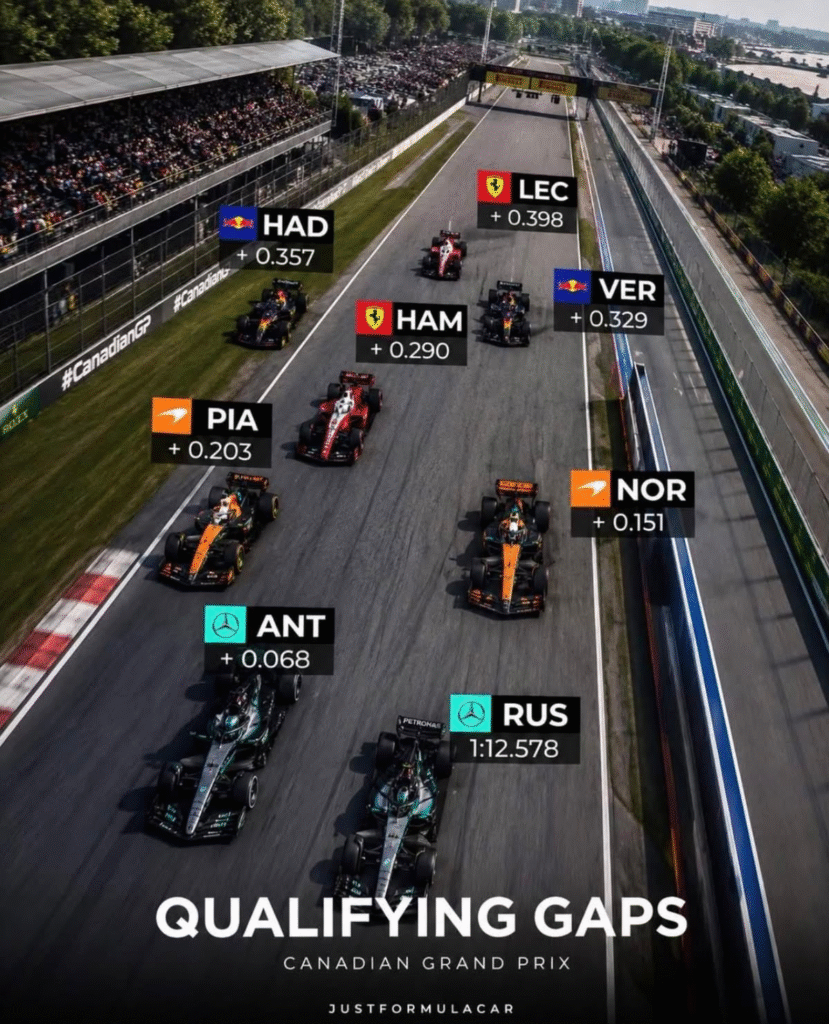
- Saturday – Qualifying. This decides the starting order (the “grid”) for Sunday’s race. It happens in three knockout rounds — Q1, Q2, Q3 — where the slowest cars get eliminated after each round until only the fastest 10 remain to fight for pole position.
- Sunday – Race Day. The actual Grand Prix. Anywhere from about 190 to 305 kilometres, depending on the track, and this is where championships are won and lost.
Some weekends also include a Sprint — a shorter, standalone race on Saturday that hands out its own smaller points haul before the main event on Sunday. Think of it as a bonus race squeezed into the same weekend.
How Points and Championships Work
This part trips up almost everyone at first, but it’s simpler than it looks.
Only the top 10 finishers in a race score points, on this scale:
| Position | Points |
| 1st | 25 |
| 2nd | 18 |
| 3rd | 15 |
| 4th | 12 |
| 5th | 10 |
| 6th | 8 |
| 7th | 6 |
| 8th | 4 |
| 9th | 2 |
| 10th | 1 |
Finish 11th or lower, and you get nothing — which is exactly why drivers take huge risks to fight for a win rather than settle for second. That seven-point gap between first and second is the reason for half the dramatic overtakes you’ll see.
There are two championships running at once across a season:
- The Drivers’ Championship — points tally for each individual driver
- The Constructors’ Championship — points tally for each team (both drivers’ scores combined)
A team can win the Constructors’ title even if one of its drivers doesn’t win the Drivers’ title — it’s happened multiple times, and it’s often what fuels tension within a team, not just between rivals.
Meet the Grid: Who’s Actually Racing
The 2026 season is the biggest the sport has ever been — 11 teams, 22 drivers, following the sport’s most significant regulation overhaul in decades. Two new manufacturers have joined the grid: Audi, arriving as a full factory works team, and Cadillac, F1’s first American manufacturer-backed outfit, backed by General Motors.
You don’t need to memorise all 11 teams to enjoy a race. But it helps to know that each team fields two cars, teammates are often each other’s fiercest rivals (yes, even more than the “enemy” teams), and every team is powered by one of five engine manufacturers — Mercedes, Ferrari, Red Bull Ford, Honda, or Audi — which quietly shapes a lot of the competitive order.
The Jargon Decoder (Just Enough to Follow a Race)
You don’t need a glossary to enjoy your first race, but these five terms will instantly make commentary make sense:
- Pole Position — starting the race from 1st place, earned by setting the fastest lap in qualifying
- DRS (Drag Reduction System) — a rear wing flap drivers can open in designated zones to reduce drag and make overtaking easier
- Pit Stop — when a car comes into the pit lane to change tyres (or make repairs), typically taking around two to three seconds for the tyre change itself
- Safety Car — a car deployed to slow the field down after an incident, bunching everyone back up and often completely resetting race strategy
- Undercut — pitting earlier than a rival to get fresh tyres and use that pace advantage to jump ahead once they eventually pit too
Learn these five, and an entire race weekend suddenly becomes readable.
Why F1 Is About So Much More Than Fast Cars
Here’s what people who dismiss F1 as “just cars going in circles” tend to miss: this is a sport built almost entirely on composure under pressure.
A driver is making split-second decisions at over 300 km/h, absorbing forces that would make most people physically sick, while a strategist in their ear is recalculating the entire race plan in real time. A single mistake — a lockup, a bad restart, a poorly timed pit call — can undo months of preparation in seconds. And yet the drivers who win consistently aren’t necessarily the most naturally gifted; they’re the ones who recover fastest from setbacks, who stay composed after a bad qualifying session, who trust a strategy even when it looks wrong lap-to-lap.
Watch enough races and you start noticing patterns that have very little to do with cars. Drivers who’ve had career-threatening injuries and rebuilt themselves from the back of the grid. Rookies who get thrown into a sport that offers no sympathy for inexperience and have to earn respect one overtake at a time. Teams that spend an entire miserable season reworking a car from scratch because the alternative is falling further behind. It’s a sport that rewards patience as much as speed, and resilience as much as raw talent — which is probably why so many people who “don’t like sports” end up completely hooked on F1 once they understand what they’re actually watching.
Your First Watch: What to Actually Pay Attention To
If you’re tuning into your first race, ignore the urge to understand everything. Just watch for these:
- The start — the first two laps are usually the most chaotic and overtaking-heavy part of the whole race
- Tyre strategy — commentators will mention when drivers pit; that’s the race quietly rewriting itself
- Team radio — broadcasts often play driver-team radio messages, which is where most of the personality and drama comes through
- The final laps — races are frequently decided in the last five laps, so don’t check out early
Ready to Watch It Live Instead of On a Screen?
Reading about F1 is one thing. Standing trackside when 20 cars go past at once, feeling the sound in your chest, is a completely different experience — and it’s the fastest way to actually fall for this sport.
At GT Experiences, we build all-inclusive F1 trips designed for exactly this: race tickets, flights, accommodation and visa support handled end-to-end, so your first Grand Prix is just about being there, not figuring out logistics.